TL;DR: Discover how to craft a high-converting Amazon brand story using AI tools, optimize for SEO, and integrate it with A+ Content and storefront branding for maximum impact.
Key Takeaways
- Amazon Brand Story is a 500-character narrative that appears on your product detail pages and enhances brand credibility.
- AI tools like SellerSprite can generate optimized brand stories using competitor insights, keyword data, and natural language processing.
- Integrate your brand story with A+ Content and Storefront to create a consistent brand narrative across Amazon.
- Include relevant brand story keywords and backend search terms to improve discoverability and SEO performance.
- Optimizing your brand story can increase customer trust, reduce bounce rates, and improve conversion rates over time.
Table of Contents
Note on marketplaces: This guide is specifically optimized for the US market.
What Is an Amazon Brand Story
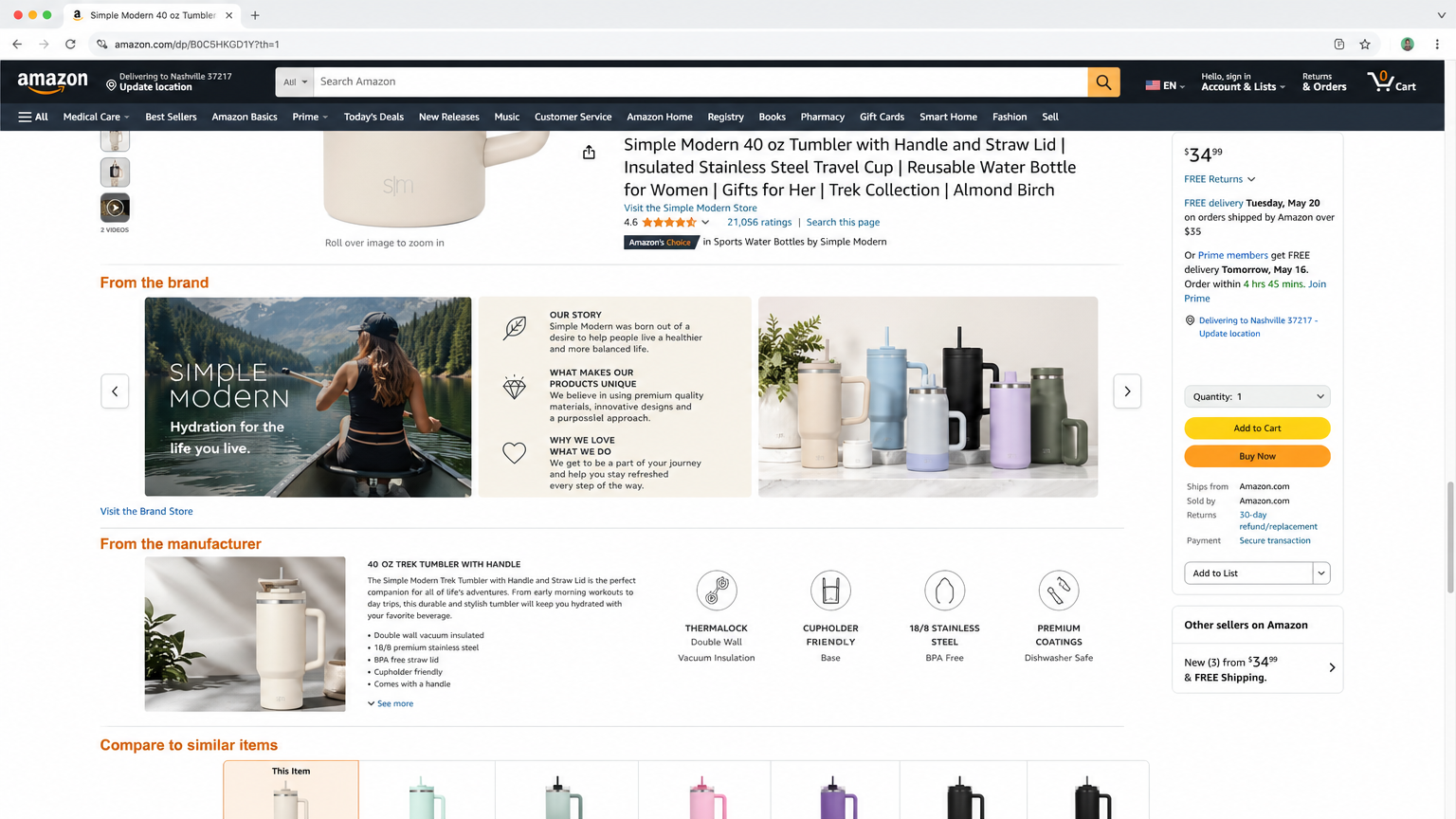
An Amazon Brand Story is a short, 500-character brand narrative that appears on your product listing page when shoppers view your items. It is part of Amazon Brand Registry and is designed to help brands communicate their mission, values, and unique selling points directly to customers.
Unlike product descriptions, which focus on features and benefits, the Brand Story tells the "why" behind your brand. It answers questions like: Why did you start this brand? What problem are you solving? What makes your products different?
This section appears across all your branded listings and is a key component of building trust and emotional connection with shoppers. It is also indexed by Amazon's search algorithm, making it a valuable asset for Amazon SEO for brand story and discoverability.
Why Your Brand Story Matters for Conversions
A compelling brand story does more than just inform. It builds emotional resonance, increases perceived value, and reduces purchase hesitation. According to Amazon, brands with complete Brand Registry profiles, including a strong Brand Story, see higher conversion rates and lower return rates.
Shoppers on Amazon are increasingly brand conscious. A 2023 Jungle Scout report found that 62% of Amazon buyers prefer to buy from brands they recognize. Your Brand Story is one of the first touchpoints that can turn a casual browser into a loyal customer.
For new sellers and growing brands, this is a low-effort, high-impact way to stand out in competitive categories. It also supports long-term brand equity, making it easier to launch new products under the same umbrella.
Step by Step: Write an AI-Optimized Brand Story
Writing a powerful brand story doesn't have to be time-consuming. With AI tools like SellerSprite's AI for Amazon FBA, you can generate high-quality, conversion-focused narratives in minutes.
Step 1: Gather Brand Insights
Before writing, collect key information about your brand:
- Brand mission and values
- Target customer persona
- Unique selling proposition (USP)
- Product category and problem solved
- Competitor brand narratives (use competitor AI insights for benchmarking)
Step 2: Use AI to Generate Drafts
Input your brand data into an AI tool like SellerSprite. The AI analyzes top-performing brand stories in your niche and generates multiple variations optimized for clarity, emotional appeal, and keyword relevance.
For example, if you sell eco-friendly kitchenware, the AI might generate a story like:
"Born from a passion for sustainable living, EcoKitchen creates durable, planet-friendly tools that make zero-waste cooking simple and stylish. Every product is designed to reduce plastic use without compromising performance. Join thousands of households making greener choices, one meal at a time."
Step 3: Optimize for Keywords and Tone
Refine the AI-generated draft by integrating brand story keywords that align with your niche. These should be natural and relevant, such as "eco friendly," "non toxic," or "sustainable kitchenware."
Ensure the tone matches your brand voice, whether it's professional, friendly, or inspirational. Avoid jargon and keep sentences concise to fit within the 500-character limit.
Step 4: Test and Iterate
Launch your brand story and monitor performance using Amazon Brand Analytics or tools like Keepa AI Insights. Look for changes in click-through rates, time on page, and conversion rates.
A/B test different versions to see which resonates best. Even small tweaks, like changing "we believe" to "we're committed", can impact customer perception.
How to Optimize Your Brand Story for SEO
While the Amazon Brand Story is not a traditional SEO field, it still influences search visibility. Amazon's A9 algorithm considers text relevance, keyword usage, and customer engagement signals.
To boost Amazon SEO for brand story, follow these best practices:
- Include primary keywords naturally: Use terms your customers search for, like "organic skincare" or "ergonomic office chair."
- Align with backend keywords: Ensure your Amazon backend keywords support the themes in your brand story for consistency.
- Use semantic variations: Include synonyms and related terms to capture long-tail searches.
- Avoid keyword stuffing: Keep the narrative smooth and readable. Amazon penalizes spammy content.
- Update regularly: Refresh your story when launching new products or rebranding.
For example, a pet food brand might include keywords like "grain free dog food," "all natural ingredients," and "veterinarian recommended", all while telling a story about health and love for pets.
How Brand Story, A+ Content, and Storefront Work Together
Your Amazon Brand Story is just one piece of a larger branding ecosystem. To maximize impact, integrate it with Amazon A+ Content and your Amazon Storefront.
Brand Story: The Foundation
This is your elevator pitch. It appears on every product page and sets the tone for your brand. Keep it concise and emotionally compelling.
A+ Content: The Deep Dive
Also known as Enhanced Brand Content, A+ Content allows you to use images, charts, and extended text to highlight product benefits, ingredients, and usage scenarios. It should expand on the themes introduced in your Brand Story.
For example, if your Brand Story mentions "sustainable materials," your A+ Content can show a lifecycle infographic of your packaging.
Storefront: The Experience
Your Amazon Storefront is your brand's homepage on Amazon. It should reflect the same voice and visuals as your Brand Story and A+ Content. Use it to showcase your full product line, tell your origin story, and guide shoppers through a curated journey.
Together, these three elements create a cohesive Amazon storefront brand story that builds trust, improves engagement, and drives repeat purchases.
FAQ
How can AI help write an Amazon Brand Story that improves conversion rate?
AI analyzes high-performing brand stories in your niche, identifies emotional triggers and keyword patterns, and generates compelling narratives tailored to your audience. Tools like SellerSprite use natural language processing to create stories that are concise, benefit-focused, and optimized for conversion. You can generate multiple versions, test them, and refine based on performance data.
What keywords should be included in an Amazon Brand Story for SEO?
Include primary and secondary keywords that reflect your brand's niche and customer intent, such as "organic," "durable," "ergonomic," or "vegan friendly." These should be integrated naturally into the narrative. Also align with your Amazon backend keywords to reinforce relevance. Avoid stuffing and focus on readability and emotional appeal.
How do Amazon Brand Story, A+ Content, and storefront content work together?
The Brand Story is your short, 500-character pitch that appears on all product pages. A+ Content provides detailed, visual-rich descriptions for individual products. The Storefront acts as your brand's homepage, offering a curated shopping experience. Together, they create a unified brand narrative that builds trust, educates customers, and increases conversion rates across the buyer journey.
Next Steps
- Use SellerSprite's AI tools to generate and optimize your Amazon Brand Story.
- Review your A+ Content and Storefront to ensure brand consistency.
- Explore our Amazon FBA Beginner to Master Course for advanced branding strategies.
References
By SellerSprite Team
The SellerSprite Team combines deep expertise in Amazon marketplace dynamics, AI-driven analytics, and e-commerce optimization. With years of experience supporting new and established sellers, we provide actionable insights grounded in data, real-world testing, and Amazon policy compliance. Our mission is to empower brands with intelligent tools that simplify complexity and drive growth.