Trend research is how you avoid short-lived fads and build an Amazon catalog that can grow for years. In this guide, you will learn a repeatable method for spotting long-term opportunities, validating demand with data, assessing saturation, and tracking momentum over time using SellerSprite workflows and trusted public signals.
If you only do one thing, do this: confirm that customers are consistently searching, that reviews show specific pain points, and that the competition is not locked down by a single dominant brand. That combination is where evergreen products are born.
Key Takeaways
- Use a three-signal rule: stable search interest, review-based pain points, and manageable seller concentration.
- Validate trends from multiple angles: SellerSprite keyword and competition data, plus Google Trends direction and seasonality.
- Classify every idea as evergreen, seasonal, or fad before you source inventory.
- Track the product lifecycle monthly so you can expand winners and exit early when demand shifts.
- Keep your process consistent: the same checklist applied every time beats guesswork.
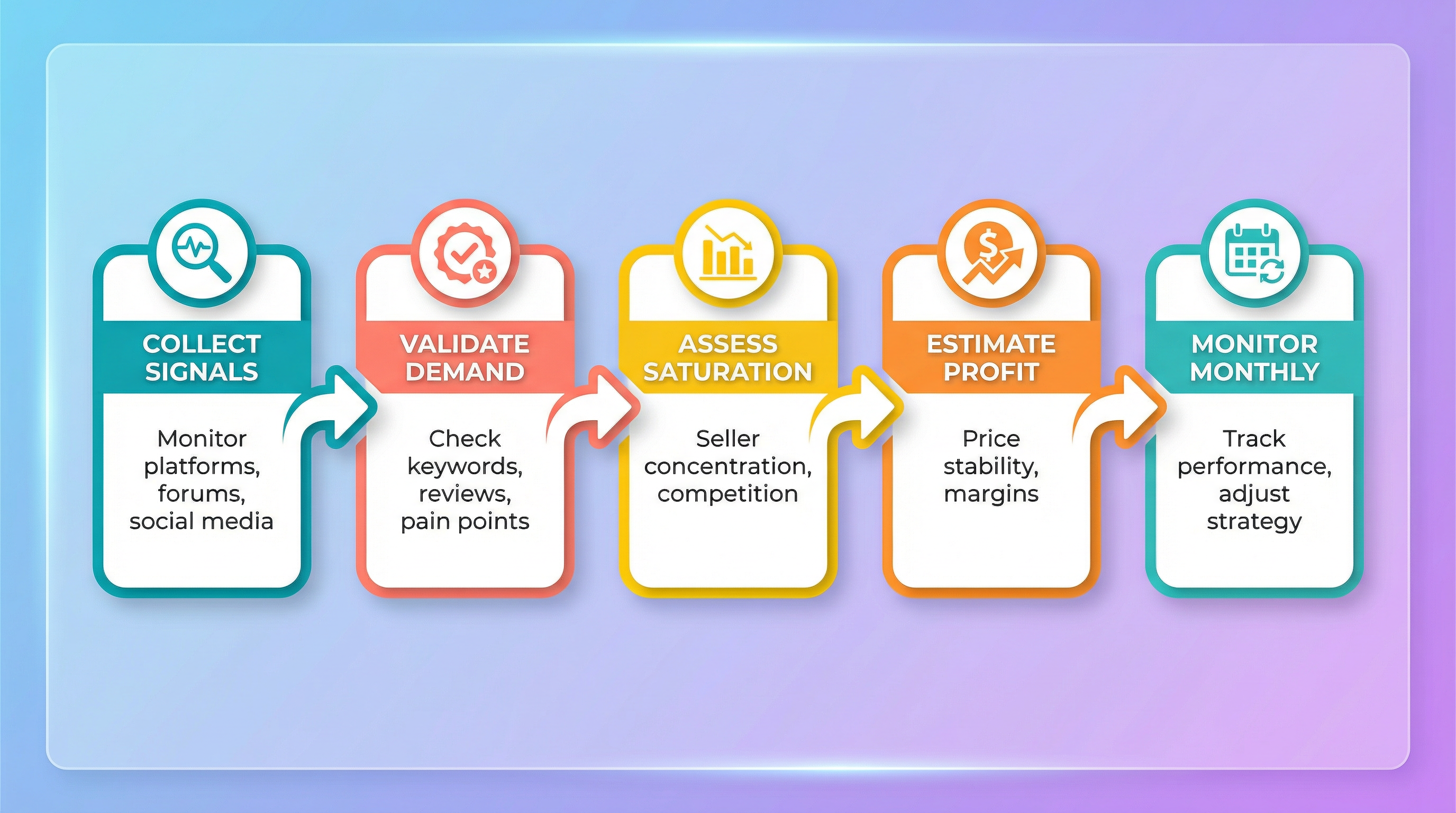
Table of Contents
- What Trend Research Means for Amazon FBA
- Step 1: Build a Demand Shortlist With SellerSprite
- Step 2: How to Use Google Trends for Amazon FBA
- Step 3: Pinterest Trends and Visual Discovery
- Step 4: Identify Evergreen vs Seasonal Products
- Step 5: Market Saturation Analysis
- Step 6: Competitor Analysis for Amazon Sellers
- Step 7: Amazon Product Lifecycle Monitoring
- Advanced Tips: ABA, Conversion, and the Pricing Triangle
- Trend Risk Matrix and Decision Tree
- FAQs
- About the Author
- References
What Trend Research Means for Amazon FBA
Quick answer: Trend research is the process of confirming that demand is real, sustained, and not already saturated, before you commit cash to inventory.
Most beginners fail because they confuse novelty with demand. A product can look interesting but still have weak buyer intent, unstable pricing, or competition that is impossible to beat. Trend research fixes that by grounding your decision in search behavior, review pain points, and competitive structure.
A high-quality opportunity usually shows three things at once. Customers search for it consistently. Reviews repeatedly mention the same specific problem. The market still allows differentiation, meaning you can improve the offer, the bundle, the positioning, or the listing.
Step 1: Build a Demand Shortlist With SellerSprite
Quick answer: Start with keywords, not products. If the keyword demand is weak or vague, the product demand will be weak too.
Begin by building a shortlist of buyer intent keywords. Look for phrases that imply an actual use case, not just curiosity. A good keyword usually includes context like problem, size, material, or scenario. Those are signals that the buyer already knows what they want.
How to do it in SellerSprite
- Use Keyword Mining tool to generate long-tail variants around your seed idea.
- Check search volume, keyword growth, and buyer intent phrases. Save 20-50 promising terms.
- Use Keyword Conversion Rate to prioritize keywords that translate into purchases, not just clicks.
- Use Review Analysis on the top listings to identify recurring pain points and missing features.
- Create a shortlist of 5-10 product angles that clearly solve one pain point better than existing listings.
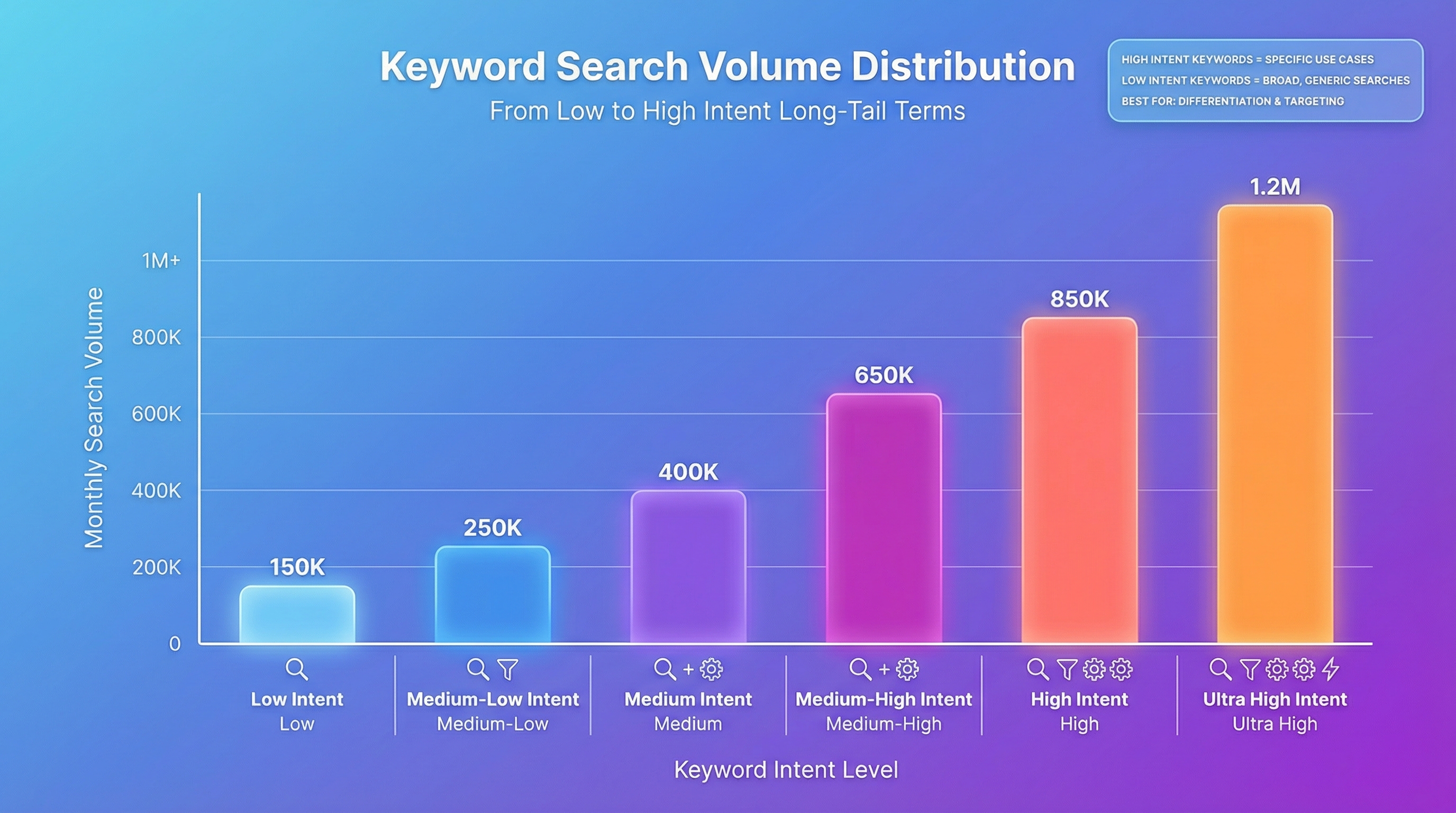
For SellerSprite users, this step is where you set your standards. You are not looking for the biggest market. You are looking for clear intent plus room to win. If your shortlist keywords are specific and steadily searched, the rest of your process becomes easier.
Step 2: How to Use Google Trends for Amazon FBA
Quick answer: Google Trends is your sanity check. It helps you confirm direction and seasonality so you do not overbuy inventory on a fading curve.
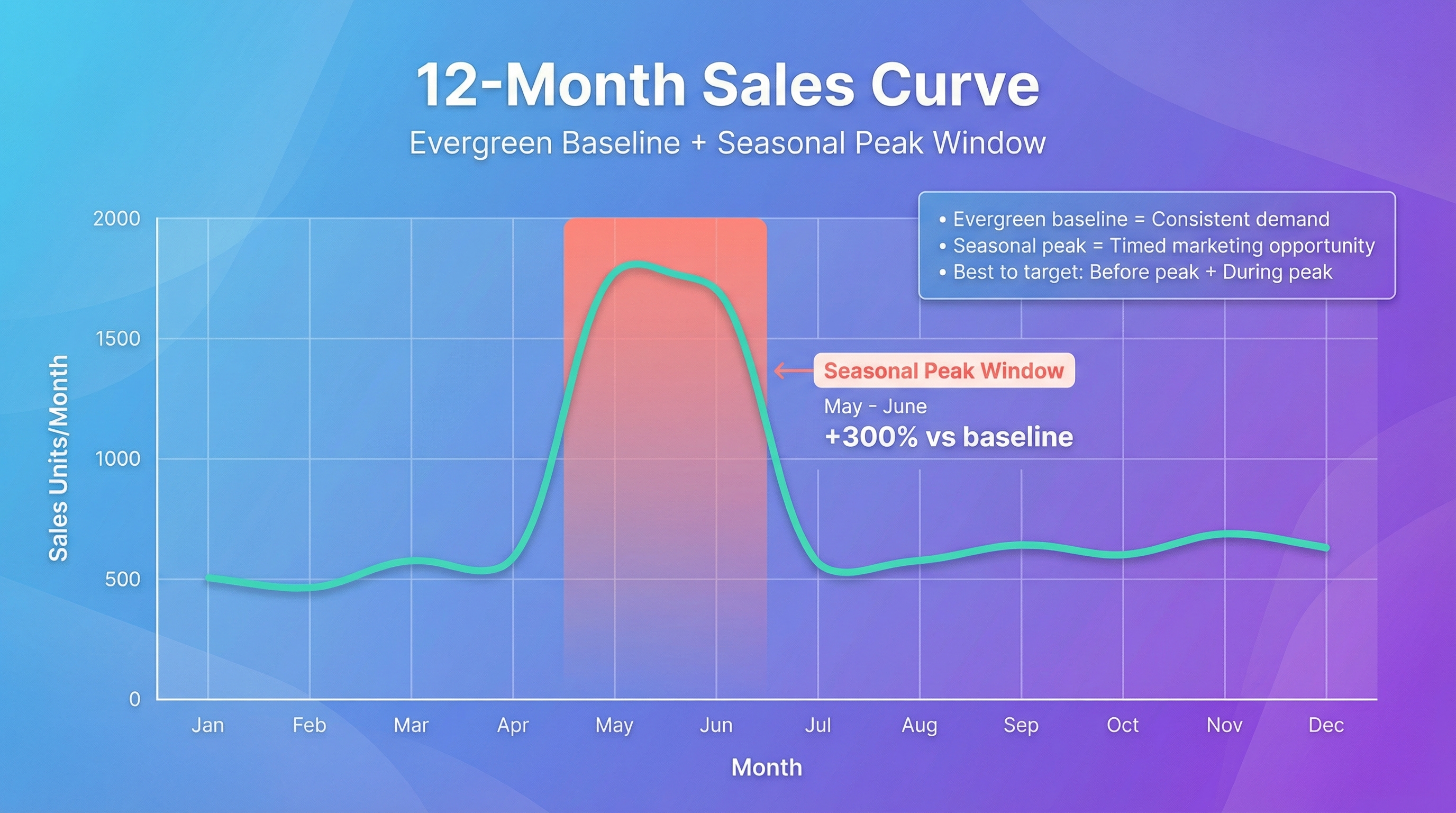
Use Google Trends to answer two questions. Is the interest rising, stable, or falling over the last 12 to 24 months? Is the curve seasonal, meaning it peaks in predictable months every year? You do not need perfect precision. You need a directional read.
When you compare multiple keywords, keep them in the same niche so the scale makes sense. Also test a broader topic term and a narrow product term. If the broad term stays stable while your narrow term spikes and crashes, you may be looking at a fad.
Best practice pairing: SellerSprite plus Trends
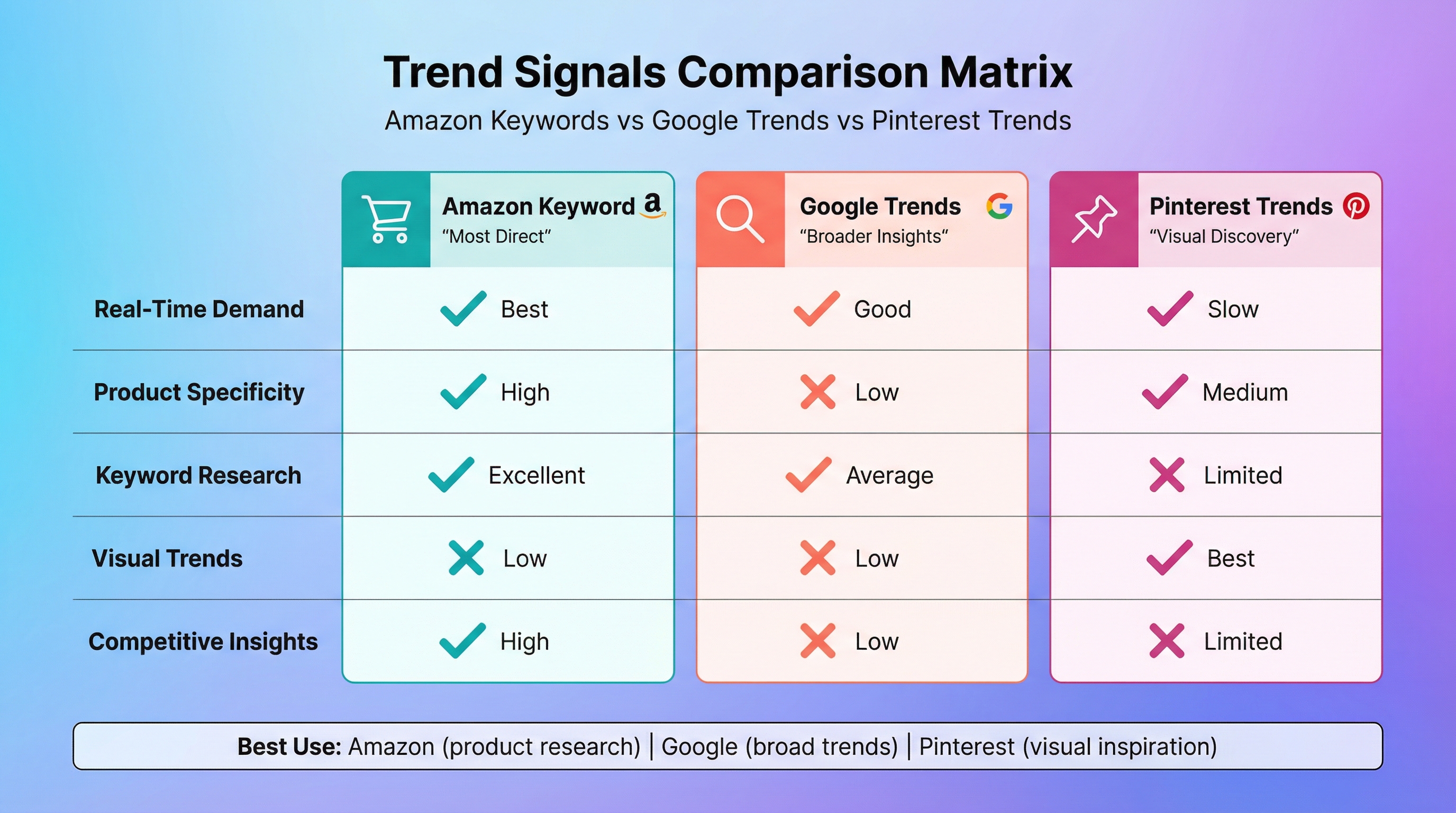
- Use SellerSprite search volume to confirm Amazon intent, then use Trends to confirm demand direction outside Amazon.
- If SellerSprite shows stable volume but Trends falls sharply, double check if the demand moved to a new keyword variant.
- If Trends is rising but Amazon volume is flat, treat it as an early signal and verify with reviews and competitors before sourcing.
Step 3: Pinterest Trends and Visual Discovery
Quick answer: Pinterest is useful for lifestyle categories because it reveals emerging aesthetics and use cases before they fully hit Amazon search.
Pinterest signals are strongest in home decor, kitchen organization, crafts, fashion accessories, and gifting. You are looking for repeated patterns, not viral spikes. When you see a theme repeat across creators, you often find a product angle that converts well once it reaches Amazon.
Translate Pinterest demand into Amazon language by writing down exact phrases people use. Then feed those phrases into SellerSprite Keyword Miner to see whether Amazon demand already exists or is just beginning.
Step 4: Identify Evergreen vs Seasonal Products
Quick answer: Evergreen products sell year-round. Seasonal products can be excellent, but they require disciplined inventory timing and cash flow planning.
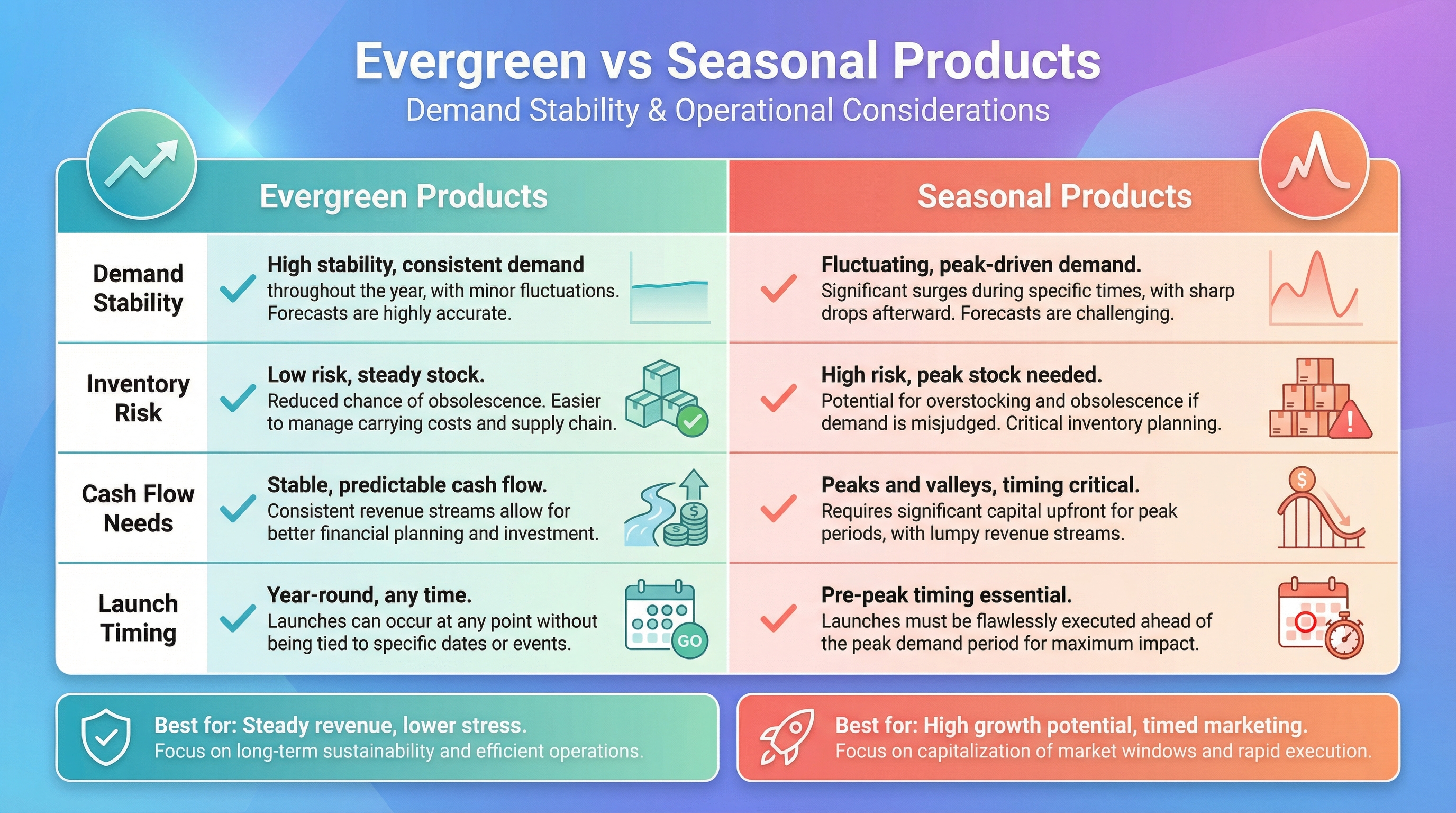
Use this quick classification. If search volume stays within a narrow band most months, the product is likely evergreen. If it spikes in the same months every year, it is seasonal. If it spikes once and never returns, it is a fad. Your goal is not to avoid seasonal items. Your goal is to treat them as a calendar business.
Seasonality checklist
- Confirm the peak window and the ramp-up period using Trends.
- Estimate lead time so the inventory lands before the demand surge.
- Plan pricing and ads so you do not rely on discounting during peak.
- Decide on an exit rule for leftover stock after the season ends.
Step 5: Market Saturation Analysis
Quick answer: Saturation is not about how many listings exist. It is about how hard it will be for you to earn a profitable position.
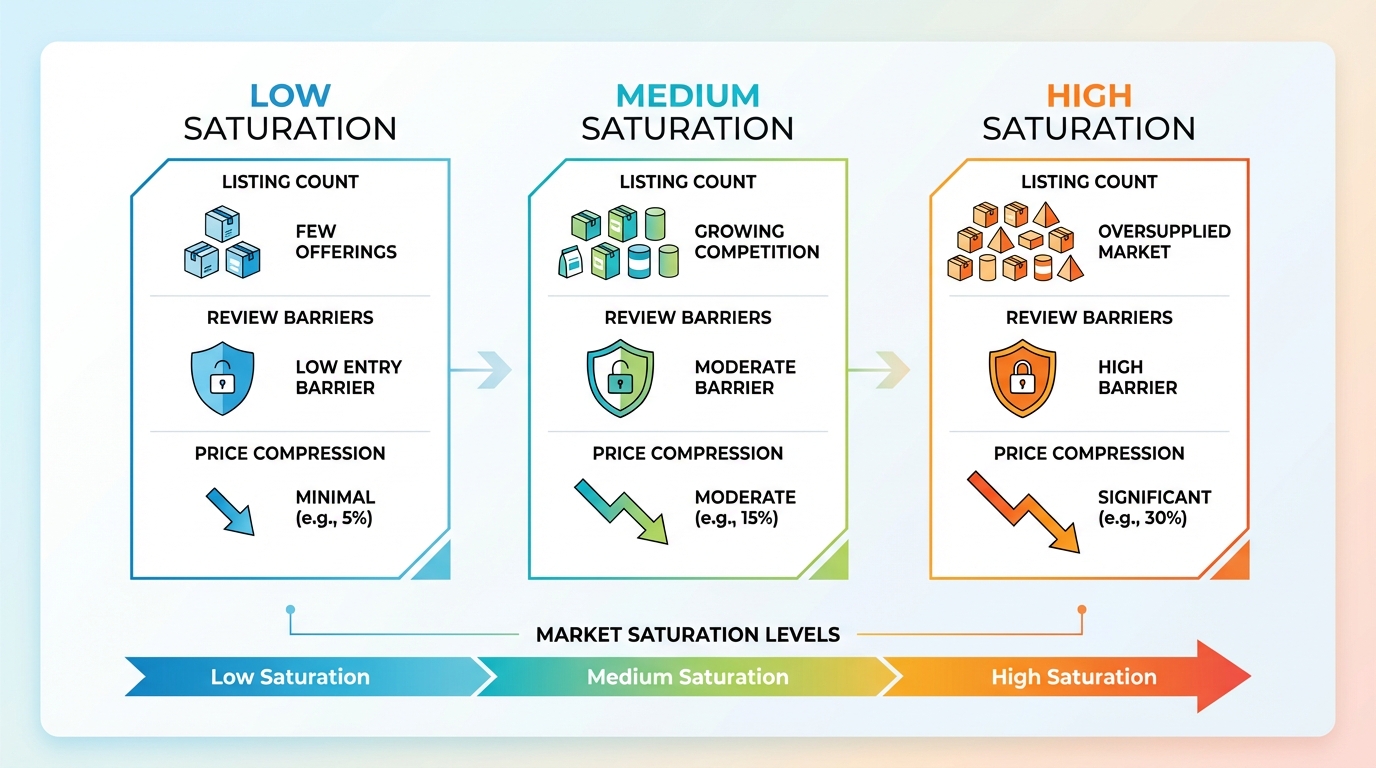
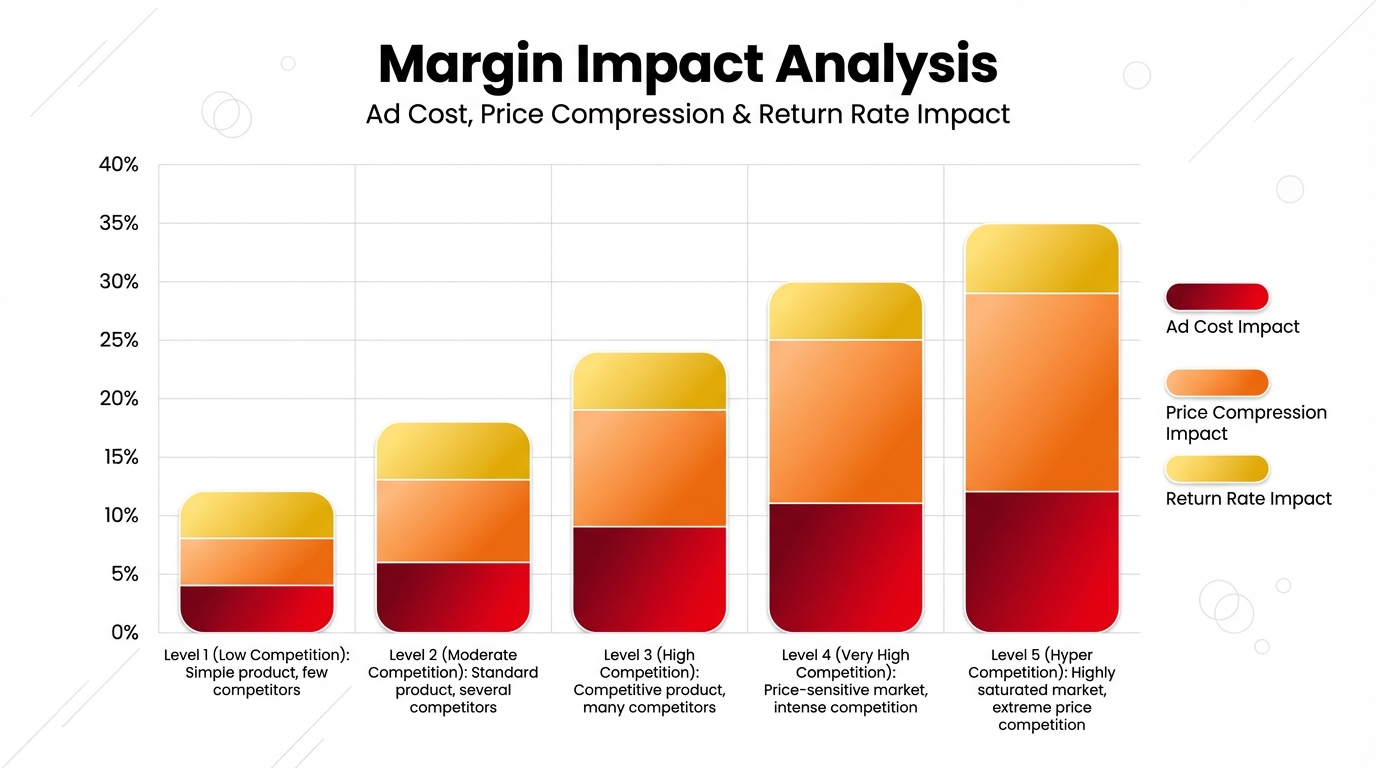
A simple saturation read uses three measures. Listing density, meaning how many relevant results exist for the main keyword. Review barrier, meaning how many reviews top listings have. Price compression, meaning whether sellers constantly discount to stay competitive.
In SellerSprite, you can triangulate this using keyword results plus review trends from top competitors. If the top sellers have thousands of reviews and the price keeps dropping, you will need a strong differentiation plan to win.
Step 6: Competitor Analysis for Amazon Sellers
Quick answer: Competitor analysis is how you find your angle. Your product needs a clear reason to exist next to the current best sellers.
Start with what customers complain about. Reviews are your roadmap. Use SellerSprite Review Analysis to extract repeated pain points and feature gaps. Then map each gap to a product improvement, bundle idea, or positioning change.
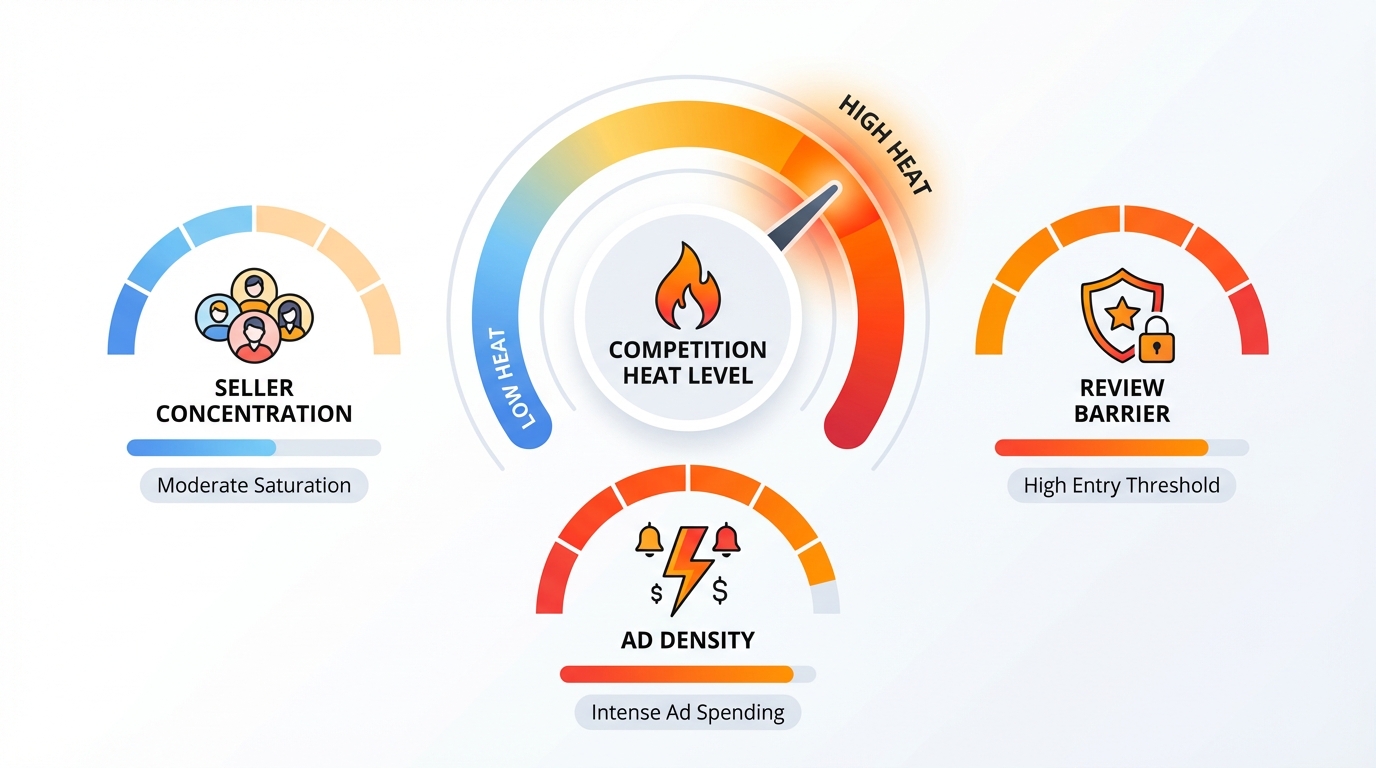
Next, check seller concentration. If one brand dominates most keyword positions, you need a niche angle. If the top is fragmented across many sellers, you have more room to enter with a better offer.
Practical differentiation ideas that fit typical SellerSprite user products
- Home and kitchen: add clear instructions, installation tips, or a usage chart to remove confusion.
- Pet supplies: improve sizing guidance and reduce returns with a simple measurement guide.
- Beauty tools: focus on safer materials and clearer cleaning instructions to reduce negative reviews.
- Sports and outdoors: bundle small accessories that solve a complete use case.
Step 7: Amazon Product Lifecycle Monitoring
Quick answer: Trend research is not a one-time task. Winners are managed with monthly check-ins on demand, price, and review signals.
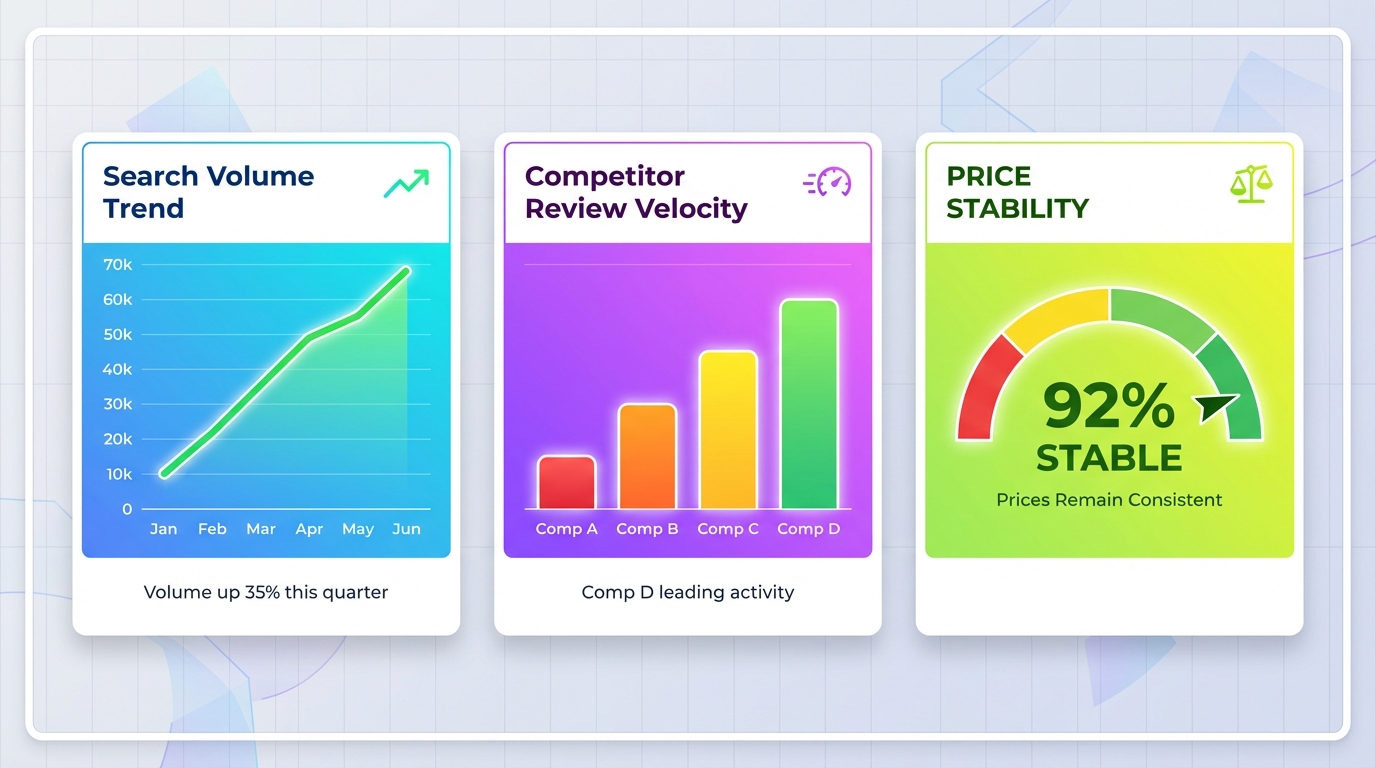
A simple monitoring routine protects your cash. Once a month, re-check the main keyword volume, competitor pricing behavior, and new review themes. If you see a new complaint trend, update your listing and packaging immediately. If pricing becomes unstable, tighten your cost structure or pivot to a better niche.
If you run promotions or external traffic, use SellerSprite's URL Builder so you can track what actually contributes to sales and not just clicks.
Advanced Tips: ABA, Conversion, and the Pricing Triangle
Quick answer: Advanced validation means you measure not only interest, but purchase intent and profitability constraints.
How to use SellerSprite ABA-style signals
ABA data can help you understand how shoppers move from search to purchase within a category. Use it to confirm that your target keyword is not only searched for, but also drives product clicks and orders. When conversion remains high over months, demand is usually more durable.
What keyword conversion rate really tells you
Conversion rate is your buyer intent filter. A keyword with moderate volume but strong conversion can outperform a high-volume keyword that attracts browsers. Prioritize opportunities where conversion is consistently solid, and reviews show a clear pain point that you can solve.
The search volume, competition, price triangle
Think in triangles. If search volume and competition are high, you need a higher price or a cost advantage to survive in ads. If volume is moderate and competition is low, you can often win with a clean listing and strong product fit. If prices are low and competition is high, margins vanish quickly.
Trend Risk Matrix and Decision Tree
Quick answer: Use one consistent decision rule so you do not talk yourself into risky products.
FAQs
Q1: What is the fastest way to spot long-term product opportunities?
A: Start with buyer intent keywords in SellerSprite, validate stability with Google Trends, then confirm the pain point in reviews. If all three align and pricing is stable, you likely have a durable niche.
Q2: What search volume is good for a beginner product?
A: A practical target is steady volume with clear intent, not just high volume. Many sellers use 1,000+ monthly searches as a starting point, then validate the conversion rate and margin to decide whether the niche is worth pursuing.
Q3: How do I know if a market is saturated?
A: Saturation often shows up as high review barriers, heavy discounting, and one or two brands dominating rankings. If you cannot articulate a clear product angle, and price stability is weak, treat it as saturated.
Q4: Are seasonal products bad for new sellers?
A: Not necessarily. Seasonal products can be profitable if you plan inventory timing and cash flow. The risk is overbuying after peak demand ends. Use a calendar, lead time planning, and strict exit rules.
Q5: How often should I re-check my niche trends?
A: Monthly is enough for most niches. Track search volume, review themes, and price stability. If any indicator shifts sharply, review your positioning and inventory plan immediately.
Share Your Sourcing Journey With SellerSprite Community
Join the SellerSprite community to compare niches, ask questions, and get feedback from fellow Amazon sellers.
View The SellerSprite Course Directory
Ready for the next step? Open the SellerSprite Academy course directory to continue building your Amazon FBA skills chapter by chapter.
About the Author
The SellerSprite Research Team includes experienced Amazon sellers, e-commerce analysts, and data specialists. We publish playbooks that turn marketplace data into clear decisions for sourcing, listing optimization, and long-term catalog growth.